


Cybersecurity compliance is no longer optional for U.S. businesses. As cyber threats increase and regulations tighten, organizations must meet strict security standards to protect sensitive data, avoid penalties, and maintain customer trust. This guide clearly explains cybersecurity compliance, focusing on the four most important U.S. frameworks: HIPAA, PCI DSS, NIST, and CMMC.
With expert insight from AI4IT Services LLC ( https://www.ai4itservices.com/cybersecurity-services/ ), this article helps businesses understand what each framework requires, who must comply, and how to build a compliant cybersecurity program in 2026.
What Is Cybersecurity Compliance?
Cybersecurity compliance means following laws, regulations, and security standards designed to protect data from unauthorized access, breaches, and misuse. Compliance frameworks define minimum security requirements, such as access controls, encryption, monitoring (Managed Detection & Response), and incident response.
Failing to comply can result in:
- Heavy fines and penalties
- Legal action
- Contract termination
- Loss of customer trust
- Increased breach risk
Why Cybersecurity Compliance Matters in 2026
Cyber attacks are more frequent and more costly than ever. In 2026, regulators expect organizations to prove they are actively managing cyber risk (https://www.ai4itservices.com/risk-management-assessment/) – not just reacting to incidents.
Key reasons compliance matters:
- Protects sensitive data
- Reduces breach impact
- Meets legal and contractual obligations
- Improves overall security posture
- Builds trust with customers and partners
Overview of Major U.S. Cybersecurity Compliance Frameworks
4
The four most commonly required cybersecurity frameworks in the United States are:
Framework Who It Applies To
| Framework | Who It Applies To |
|---|---|
| HIPAA | Healthcare & patient data |
| PCI DSS | Payment card processing |
| NIST | Federal agencies & contractors |
| CMMC | DoD contractors & suppliers |
Each framework serves a different purpose but shares a common goal: reducing cyber risk.
HIPAA
Compliance
(https://www.ai4itservices.com/it-compliance-audits-hipaa-gdpr-soc-2-iso27001/)
Explained
What Is HIPAA?
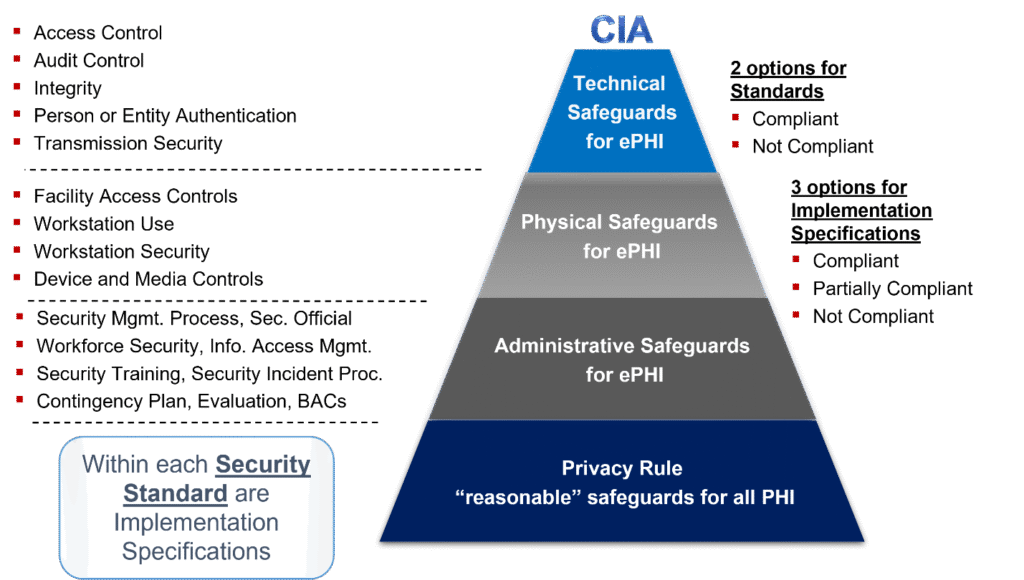
HIPAA (Health Insurance Portability and Accountability Act) protects electronic protected health information (ePHI). It applies to healthcare providers, insurers, clearinghouses, and their vendors.
HIPAA Security Rule Requirements
Organizations must implement:
- Administrative safeguards (policies, training)
- Physical safeguards (facility access control)
- Technical safeguards (encryption, access controls)
Who Must Comply With HIPAA?
- Hospitals
- Clinics
- Medical billing companies
- Health tech vendors
- Cloud providers handling ePHI
Failure to comply can result in millions of dollars in fines.
PCI DSS Compliance (https://www.ai4itservices.com/compliance-governance/) Explained
What Is PCI DSS?
PCI DSS (Payment Card Industry Data Security Standard) applies to any business that processes, stores, or transmits credit card data.
Core PCI DSS Requirements
- Secure network and firewalls
- Protect cardholder data
- Maintain vulnerability management
- Monitor and test networks
- Maintain security policies
Why PCI DSS Compliance Is Critical
Non-compliance can lead to:
- Financial penalties
- Higher transaction fees
- Loss of ability to process cards
NIST Cybersecurity Framework Explained
What Is NIST?
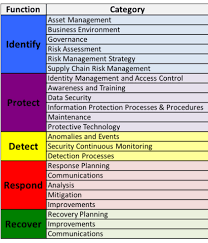
The NIST Cybersecurity Framework is a voluntary but widely adopted framework used by U.S. federal agencies, contractors, and private companies.
The Five Core NIST Functions
- Identify
- Protect
- Detect
- Respond
- Recover
Why Businesses Use NIST
NIST is flexible, scalable, and ideal for:
- Risk management
- Security maturity improvement
- Compliance alignment
Many organizations use NIST as a foundation for other frameworks.
security and compliance programs ( https://www.ai4itservices.com/cybersecurity-services/)
CMMC Compliance Explained
What Is CMMC?
CMMC (Cybersecurity Maturity Model Certification) ( https://www.ai4itservices.com/it-compliance-audits-hipaa-gdpr-soc-2-iso27001/ ) applies to Department of Defense contractors and subcontractors.
CMMC Maturity Levels
- Level 1: Basic cyber hygiene
- Level 2: Advanced practices
- Level 3: Expert-level protection
Why CMMC Is Mandatory
Without CMMC certification, companies cannot bid on DoD contracts.
HIPAA vs PCI DSS vs NIST vs CMMC (Comparison Table)
| Feature | HIPAA | PCI DSS | NIST | CMMC |
|---|---|---|---|---|
| Industry | Healthcare | Payments | Government | Defense |
| Mandatory | Yes | Yes | Often | Yes |
| Focus | Patient data | Card data | Risk management | Controlled info |
| Certification | No | Yes | No | Yes |
| U.S.-Specific | Yes | Global | Yes | Yes |
Common Cybersecurity Compliance Challenges
Businesses often struggle with:
- Understanding which framework applies
- Keeping documentation updated
- Managing technical controls
- Monitoring systems continuously
- Preparing for audits
This is where managed cybersecurity support becomes critical.
How AI4IT Services LLC Helps With Cybersecurity Compliance
AI4IT Services LLC supports U.S. businesses with compliance-ready cybersecurity services, including:
- HIPAA, PCI DSS, NIST & CMMC gap assessments
- Security policy development
- Risk assessments
- 24/7 monitoring & logging
- Incident response planning
- Audit preparation support
Their approach focuses on practical compliance—not just paperwork.
Best Practices for Maintaining Compliance in 2026
- Perform regular risk assessments
- Maintain written security policies
- Train employees annually
- Monitor systems continuously
- Test incident response plans
- Review compliance status quarterly
Compliance ( https://www.ai4itservices.com/security-awareness-training/ ) is not a one-time task — it’s an ongoing process.
FAQs: Cybersecurity Compliance Explained
1. Is cybersecurity compliance mandatory?
Yes, for regulated industries and contractual obligations.
2. Can one framework cover all compliance needs?
NIST often serves as a foundation, but industry-specific rules still apply.
3. How often should compliance be reviewed?
At least annually, or after major system changes.
4. Is compliance the same as security?
No. Compliance sets minimum standards; strong security goes beyond them.
5. Do small businesses need compliance?
Yes—especially if they handle regulated data.
6. Can compliance reduce cyber attacks?
Yes. Compliant organizations experience fewer and less severe breaches.
Conclusion
Understanding cybersecurity compliance is essential for protecting data, meeting legal obligations, and building trust in 2026. Whether it’s HIPAA, PCI DSS, NIST, or CMMC, each framework plays a critical role in strengthening cyber defenses.
With guidance and services from AI4IT Services LLC, businesses can simplify compliance, reduce risk, and stay secure in an increasingly regulated digital world.