

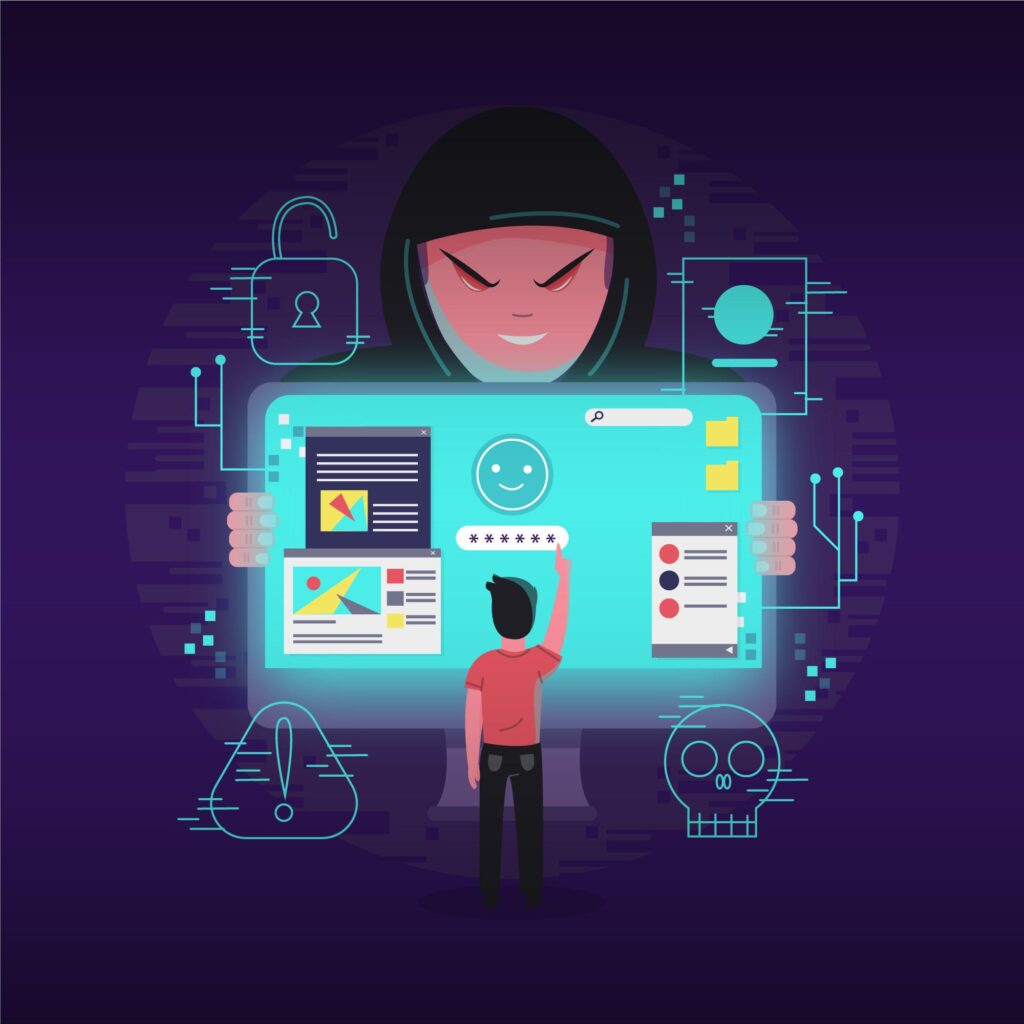
Cyber attacks in 2026 are more advanced, automated, and damaging than ever before. From AI-generated phishing emails to ransomware-as-a-service and cloud-based breaches, organizations of all sizes are under constant threat. That’s why understanding the best ways to prevent cyber attacks in 2026 is no longer optional—it’s essential.
This expert guide explains practical, proven, and ethical prevention strategies used by cybersecurity professionals. With insights from AI4IT Services LLC, you’ll learn how to protect your systems, employees, and data against modern cyber threats.
For a full overview of enterprise-grade protection, visit:
https://ai4itservices.com/cybersecurity-services/
Why Cyber Attack Prevention Is Critical in 2026
Cybercriminals now use artificial intelligence, automation, and social engineering to exploit even small weaknesses. A single successful attack can result in:
- Financial losses
- Business downtime
- Regulatory penalties
- Reputational damage
- Loss of customer trust
Preventing attacks is far cheaper—and far less painful—than recovering from them.
How Cyber Attacks Have Evolved in 2026
Modern cyber attacks commonly involve:
- AI-written phishing messages
- Deepfake voice and video scams
- Supply-chain compromises
- Cloud misconfigurations
- Credential-stuffing automation
Because attacks evolve daily, prevention must be layered, proactive, and continuous.
Top 15 Best Ways to Prevent Cyber Attacks in 2026
1. Implement a Zero Trust Security Model
Zero Trust follows one rule: never trust, always verify.
Every user, device, and request must be authenticated.
Why it works: Even if attackers get inside, they can’t move freely.
Learn more about Zero Trust implementation:
https://ai4itservices.com/zero-trust-network-architecture/
2. Use AI-Powered Threat Detection
Traditional antivirus tools can’t keep up in 2026. AI-based systems detect:
- Abnormal behavior
- Zero-day exploits
- Insider threats
AI4IT Services LLC uses AI-driven monitoring to stop threats early.
Managed detection is essential for early threat containment.
https://ai4itservices.com/managed-detection-response-mdr/
3. Enforce Strong Password Practices
Passwords are still a major attack vector.
Best practices:
- Use long passphrases
- Never reuse passwords
- Require password managers
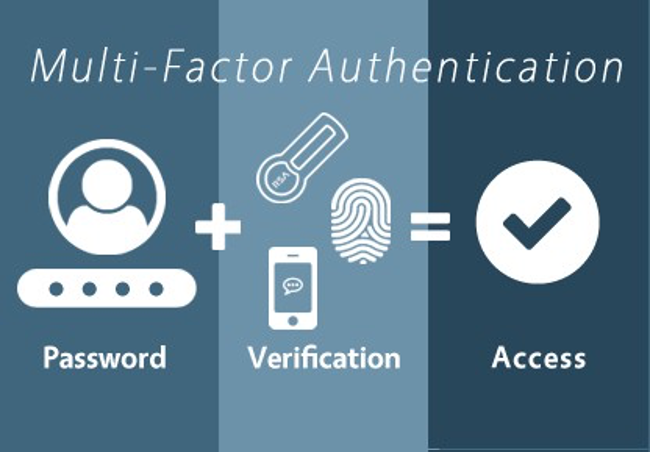
4. Enable Multi-Factor Authentication (MFA)
MFA blocks over 99% of credential-based attacks.
Use:
- Authenticator apps
- Biometrics
- Hardware security keys
5. Keep All Systems Automatically Updated
Unpatched systems are easy targets.
Ensure automatic updates for:
- Operating systems
- Applications
- Network devices
- Cloud services
6. Secure Cloud and SaaS Platforms
Cloud attacks often come from misconfiguration.
Prevention tips:
- Limit admin access
- Monitor cloud activity logs
- Use cloud security posture management
Cloud security services:
https://ai4itservices.com/cloud-security-audits-e-g-azure-security-center-aws-guardduty/
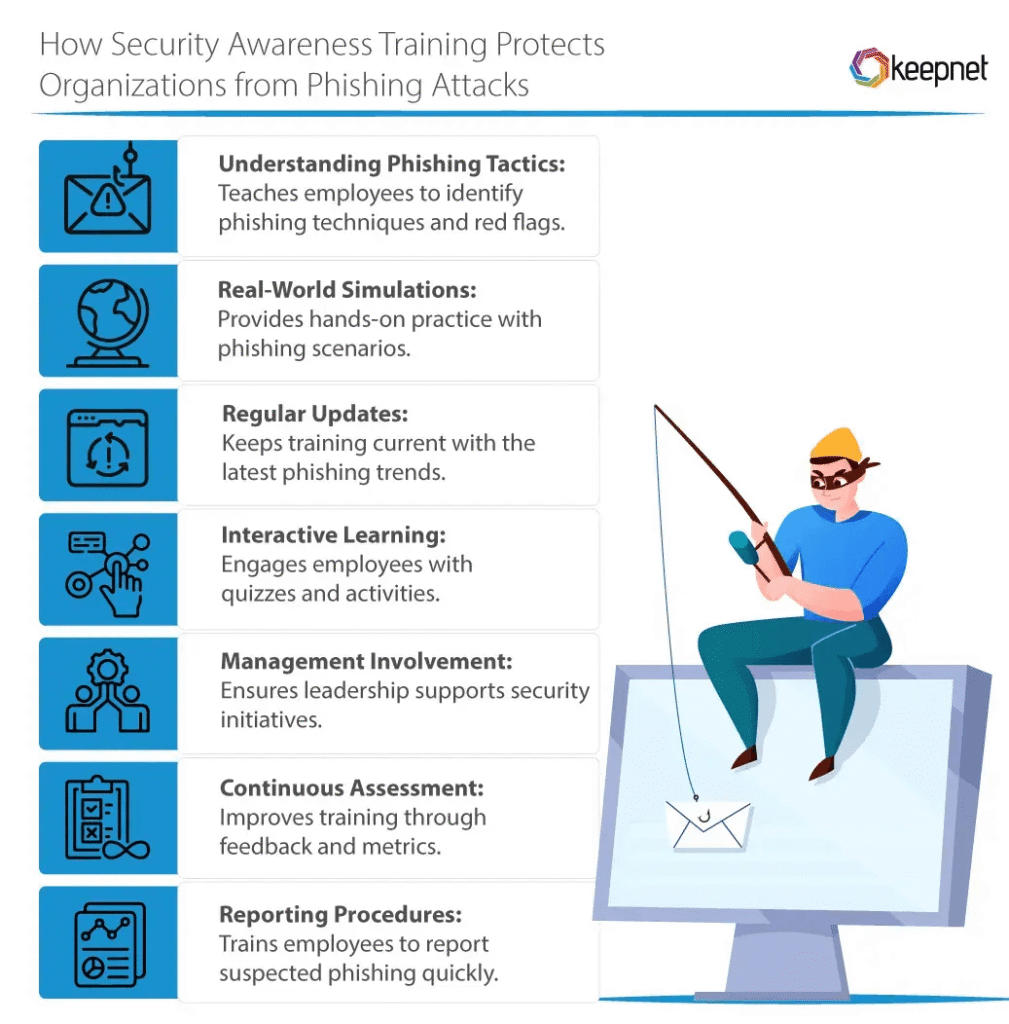
7. Train Employees to Recognize Phishing
Humans are often the weakest link.
Effective training includes:
- Real phishing simulations
- Short monthly lessons
- Executive awareness programs
Employee training services:
https://ai4itservices.com/security-awareness-training/
8. Back Up Data Using the 3-2-1 Rule
The 3-2-1 rule:
- 3 copies of data
- 2 different media types
- 1 offsite or immutable backup
This is your best defense against ransomware.
9. Monitor Networks 24/7
Most attacks happen after hours.
Continuous monitoring:
- Detects breaches early
- Reduces response time
- Limits damage
10. Segment Your Network
Network segmentation limits how far attackers can move.
Example:
- Finance systems isolated
- HR data separated
- Guest Wi-Fi restricted
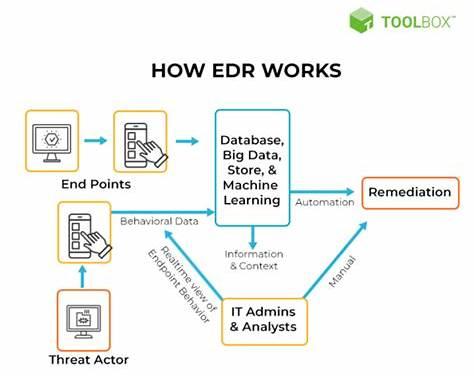
11. Deploy Endpoint Detection & Response (EDR)
EDR monitors laptops, servers, and mobile devices in real time.
It detects:
- Malware execution
- Suspicious scripts
- Unauthorized access
12. Secure Email Gateways
Email remains the #1 attack method.
Use:
- Advanced spam filtering
- Attachment scanning
- Link analysis and rewriting
13. Conduct Regular Penetration Testing
Penetration testing finds weaknesses before attackers do.
Best practice in 2026:
- At least once per year
- After major infrastructure changes
14. Protect Remote and Hybrid Workers
Remote work increases exposure.
Key protections:
- Secure VPNs
- Device compliance checks
- Endpoint monitoring
15. Maintain a Tested Incident Response Plan
No system is 100% safe.
Your plan should define:
- Roles and responsibilities
- Communication steps
- Legal and compliance actions
- Recovery procedures
Cyber Attack Prevention Checklist (2026)
| ✔ Security Control | Status |
|---|---|
| Multi-Factor Authentication | ⬜ |
| Zero Trust Access | ⬜ |
| Employee Security Training | ⬜ |
| Automated Patch Management | ⬜ |
| 24/7 Monitoring | ⬜ |
| Secure Backups | ⬜ |
| Incident Response Plan | ⬜ |
How AI4IT Services LLC Helps Prevent Cyber Attacks in 2026
AI4IT Services LLC supports U.S. businesses with:
- AI-powered threat detection
- Zero Trust architecture
- Endpoint and cloud security
- 24/7 monitoring
- Incident response services
- Compliance-ready solutions
Their proactive, layered approach helps organizations stay secure without unnecessary complexity.
Learn more about full protection services:
https://ai4itservices.com/cybersecurity-services/
FAQs: Preventing Cyber Attacks in 2026
1. What is the most effective way to prevent cyber attacks?
A combination of Zero Trust, MFA, and employee training.
2. Is antivirus still enough in 2026?
No. It must be combined with EDR, monitoring, and AI tools.
3. How often should employees receive security training?
Quarterly training with ongoing phishing simulations is ideal.
4. Are small businesses targeted by cyber attacks?
Yes—often more than large enterprises.
5. Is prevention cheaper than recovery?
Always. Breach recovery costs far exceed prevention costs.
6. Do cloud systems reduce cyber risk?
Only if they are properly configured and monitored.
Conclusion
The best ways to prevent cyber attacks in 2026 focus on proactive defense, continuous monitoring, and educated users. Cyber threats will continue to evolve, but with the right strategies and expert support, businesses can stay resilient and secure.
Partnering with AI4IT Services LLC gives organizations the tools, expertise, and confidence needed to defend against modern cyber attacks—today and in the future.